Inhalt
A baroque method book for xylophone
Modo facile di suonare il sistro nomato il timpano is the title of a collection by Giovanni Battista Ariosti (1668–1729), first printed in Bologna in 1686. Literally translated, it means “An easy way to play the sistro, also called timpano.” The term sistro refers to a percussion instrument that uses different pitches—something like a xylophone or a set of bells. The pieces are meant to be facile – easy. Ranging between courtly style and folk traditions, the book is a rare witness to Baroque musical culture. Ariosti (about whom we know little, except that he was a monk of the Servite order) was likely involved in teaching music. You can view a scan of an original edition of the Modo facile on Google Play.
Arrangements for multiple instruments
The music in this collection was originally written by Ariosti in the 17th century for a single instrument. About 250 years later, Philipp Lamprecht added additional parts to the songs, dances, and instrumental pieces—most often a bass line and one or more accompanying voices. The pieces can be played for example by flute, violin, accordion, dulcimer, trumpet, clarinet, and various percussion instruments. In this way, Ariosti’s notation can not only be understood as a historical source but also be experienced in practice—in lessons, in ensemble settings, or simply through making music together.
Listen and play along
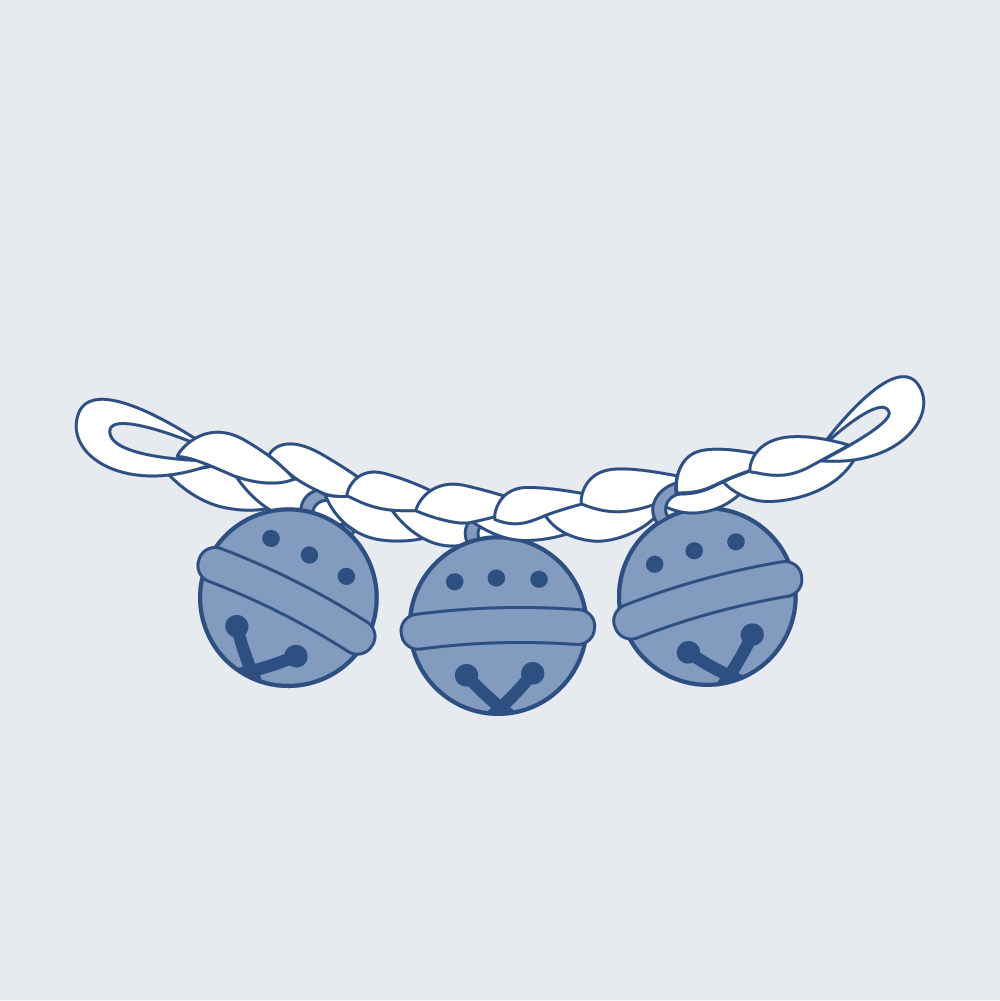
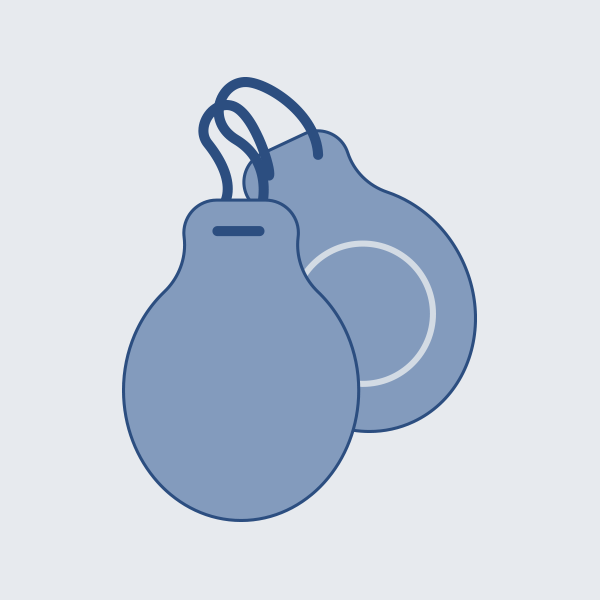
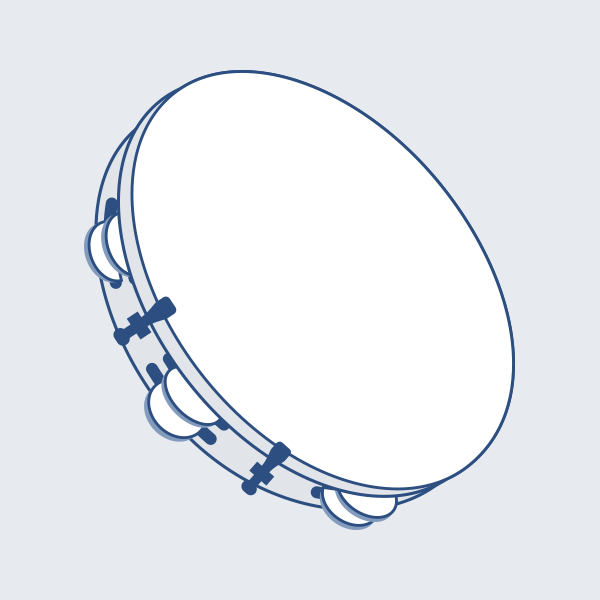
Philipp Lamprecht published his arrangements in an OpenBook in 2025. On the OMA platform, you'll find additional audio files in a multitrack player. This allows you to play individual parts with a play-along track! In addition, Philipp presents a series of historical percussion instruments in short videos.
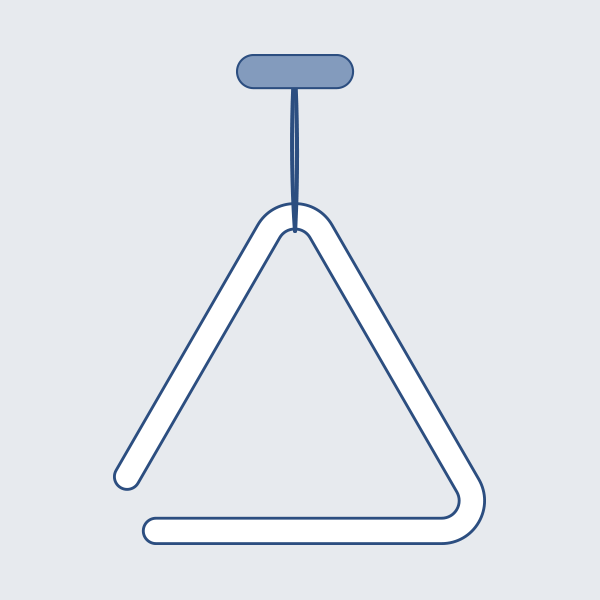
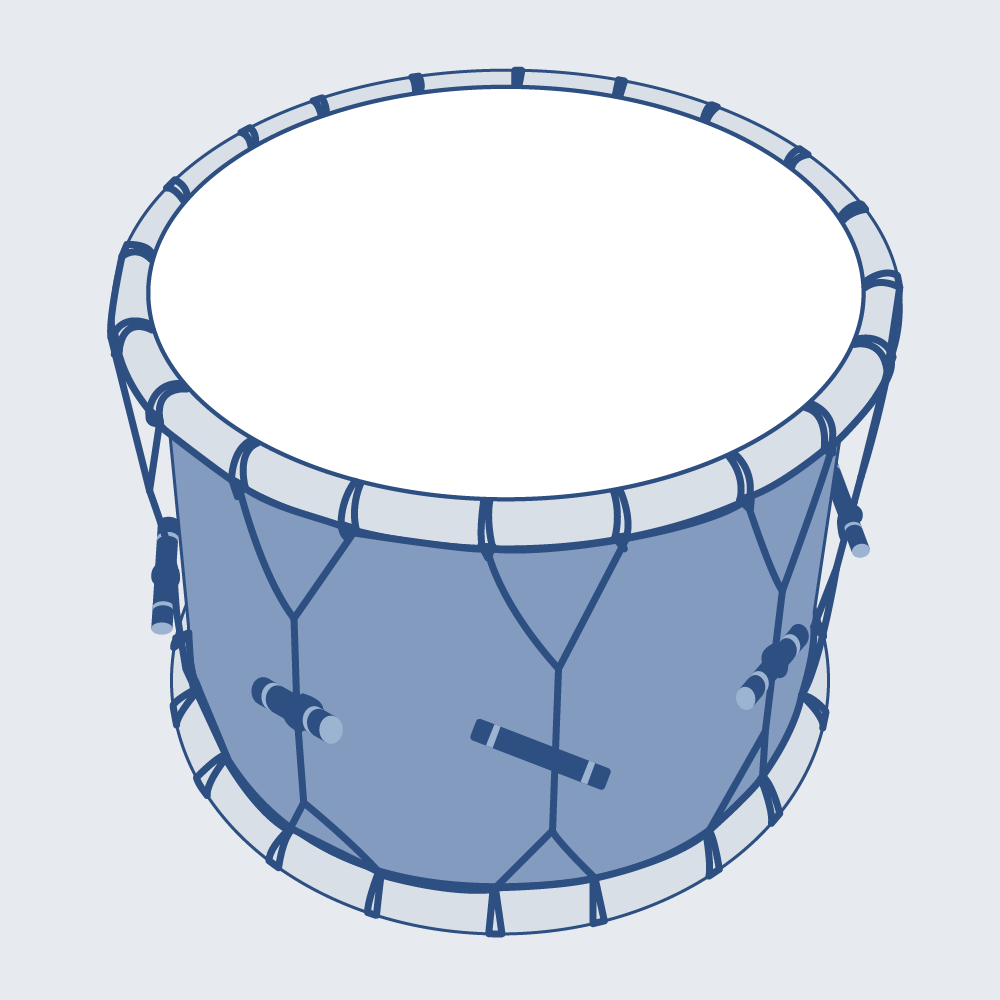
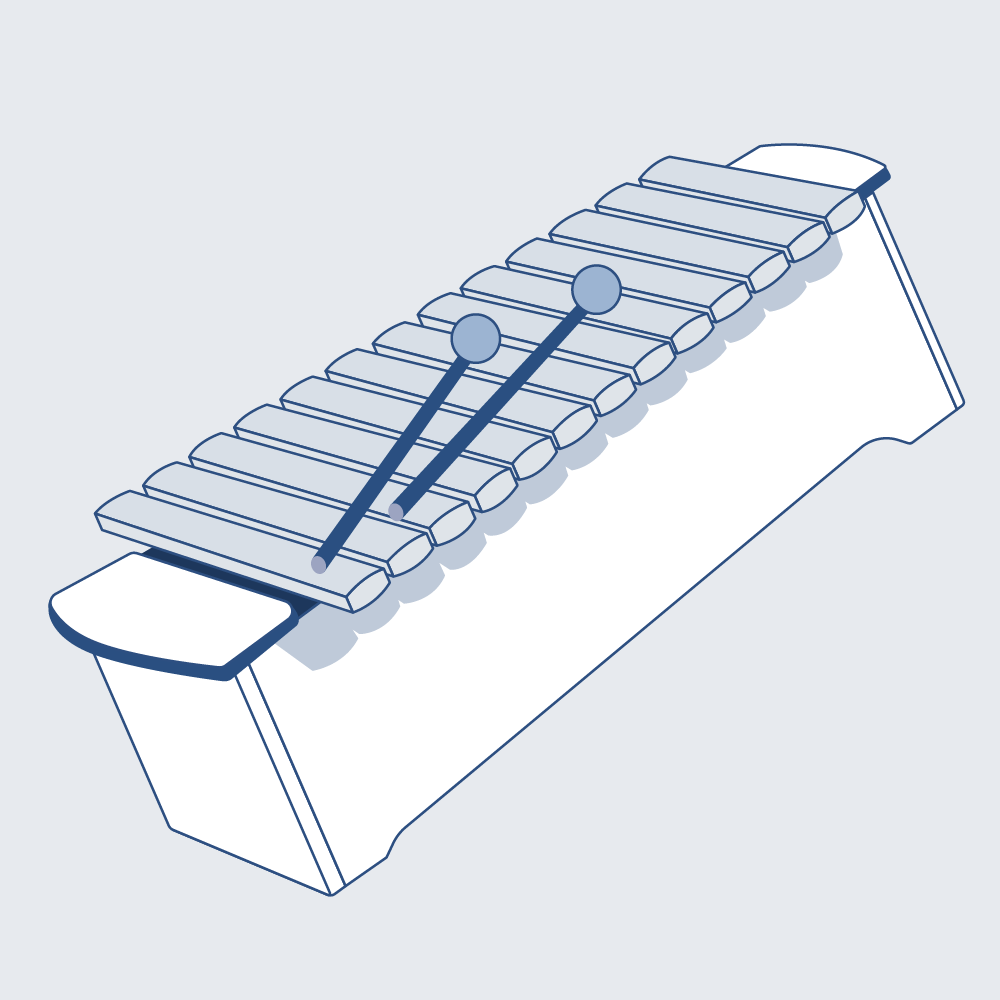
For the audio examples, the melody parts are set to xylophones, the bass part to cello, and the percussion parts to triangle, tambourine, and tom-tom. Slow tempi were chosen in order to make it easier for less experienced players to get started.
Of course, you're free to find your own interpretation:
The pieces can be performed for example by flute, violin, accordion, dulcimer, trumpet, clarinet, and various percussion instruments—at whatever tempo you like. It is recommended, though, to keep the order of the parts from high to low, with higher-pitched instruments playing the upper voices and lower-pitched ones playing the lower voices.

OpenBook, scores und audio files for downloading
OpenBook (PDF):
Scores:
- Musescore files (.mscz)
License: CC0
Audio:
- Zip folder with all audio files (ensemble mix as well as single instrument tracks in wav-format)
License: CC0